
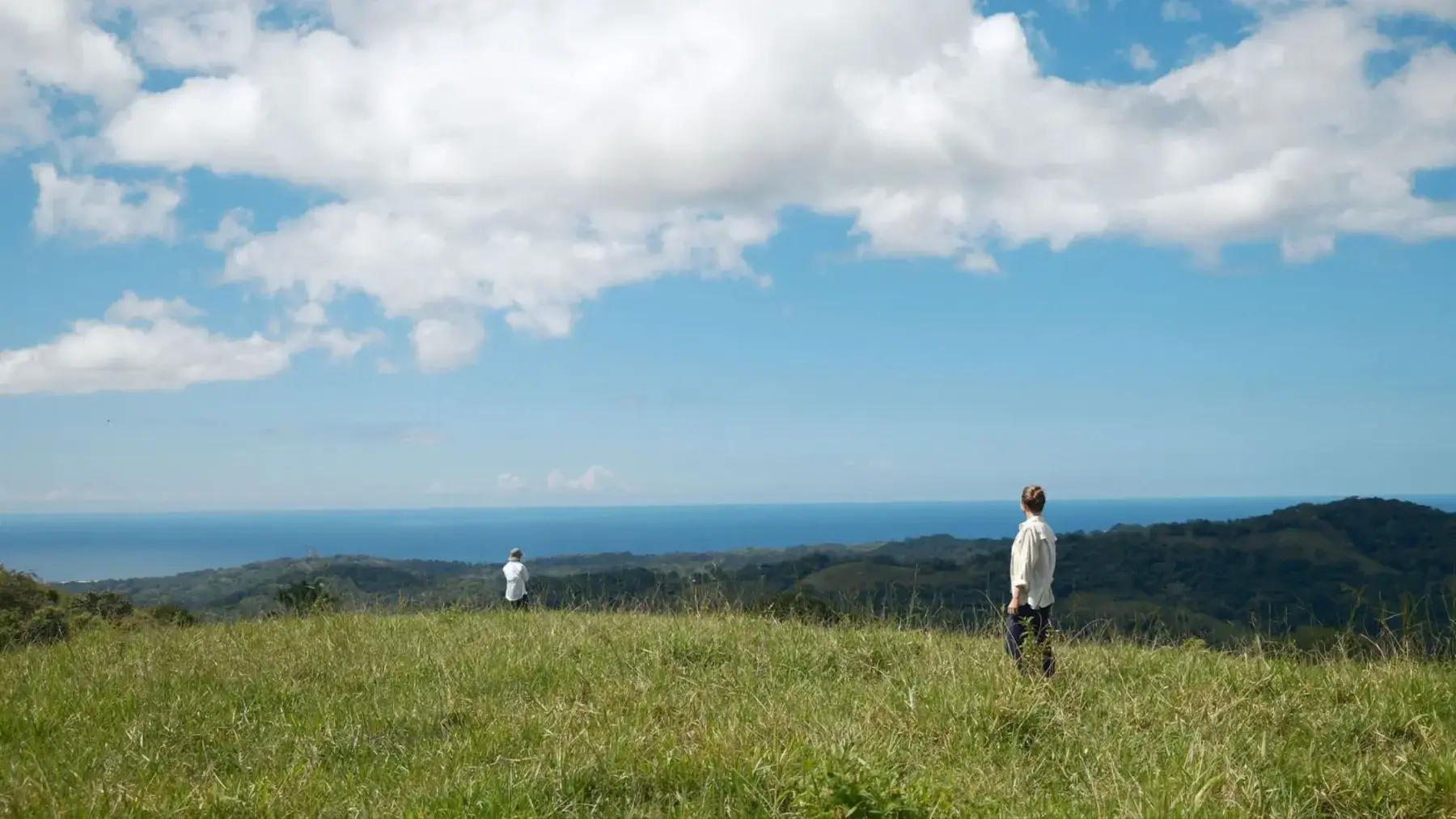

Tierramor is located in the mountains of the Guanacaste province of Costa Rica. Unlike regions of Costa Rica known for constant rainforest conditions, Guanacaste sits primarily within a tropical dry forest bio-region , one of the most ecologically distinct and seasonally expressive landscapes in Central America. Rather than one continuous look and feel, the province moves through two primary seasons: dry season and rainy season. Each season shapes the climate, vegetation, wildlife activity, and daily rhythms in noticeably different ways.
Guanacaste is a year-round destination, but the experience of the land changes significantly throughout the year. Understanding Guanacaste’s seasons offers important context for what it means to live, visit, or spend extended time on the land. The rhythms of dry and rainy season influence everything from soil conditions and water management to vegetation cycles, wildlife movement, agricultural output, and the overall experience of place. What follows is a practical guide to how these seasons unfold in Guanacaste, and what visitors can expect throughout the year.
Understanding Costa Rica’s Tropical Dry Forest
The tropical dry forest is defined by long dry periods followed by intense seasonal rains. In Guanacaste, this means trees and plants have adapted to conserve water, shed leaves, and regenerate quickly once rainfall returns. During the dry season, much of the forest appears open and sunlit. When the rains arrive, the same landscape rapidly transforms — leaf cover returns, grasses grow tall, and waterways refill.
This seasonal cycle supports a high level of biodiversity and plays an important role in soil regeneration, water management, and wildlife migration patterns. Experiencing Guanacaste at different times of year offers insight into how this ecosystem functions over time, rather than presenting a single static version of “tropical”.
Dry Season in Costa Rica (December–April)
The dry season is the most popular time to visit Costa Rica’s Pacific coast. In Guanacaste, December often retains some remaining greenery from the rainy season, while January through March bring warmer days, steady coastal winds, and cooler, clear nights.
As the dry season progresses, the landscape shifts into golden and earthy tones. Many trees shed their leaves to conserve moisture, opening up long views across hills and valleys.
As the dry season progresses, the landscape shifts into golden and earthy tones, shaped by sun, wind, and open skies. Despite the lack of rainfall, the summer months support a surprising range of flowering species. January often brings early blooms, with trees and shrubs adding bursts of colour to an otherwise dry landscape. April marks a clearer transition, often signaled by the blooming of native tree species such as cortez amarillo and poui , which flower just before the rains return.
This season is well-suited for travellers looking for:
- Consistent sunshine
- Easy road and trail access
- Beach activities and surf
- Predictable travel conditions

Cattle in the mountains of Guanacaste, with flowering cortez amarillo trees in the background.

A howler monkey eating Guayaba outside of the Tierramor kitchen.
Rainy Season in Costa Rica (May–November)
The rainy season - often called green season - begins gradually in May. Rain typically arrives in the afternoon or evening, while mornings are frequently clear and bright. Rather than constant rainfall, the season follows a daily rhythm that allows for outdoor activity earlier in the day.
During May, guayaba (guava) trees fruit, and the forest takes on a sweet, unmistakable scent. Hikes become opportunities to forage, with ripe guayabas collected along the trails and carried back in full bags.
In July we welcome El Veranillo de San Juan , a short mid-season dry period with reduced rainfall. September through November, rivers are full, soils are highly fertile, and the tropical dry forest reaches its most vibrant state. Wildlife activity increases, birdlife becomes more visible, and the forest canopy thickens quickly.
This season is ideal for those interested in:
- Lush landscapes and active ecosystems
- Fewer visitors and quieter travel
- Deeper immersion in natural cycles
- Agricultural and regenerative processes
Visiting Guanacaste and Nosara Year-Round
Guanacaste is one of the driest regions in Costa Rica, making its seasonal transitions especially noticeable. The area around Nosara offers year-round access to beaches, rivers, and protected wildlife areas.
Nearby Playa Ostional is internationally recognized for its olive ridley sea turtle arribadas , which most commonly occur during the rainy season, particularly between August and October - with some arrivals in January. Beaches such as Playa Guiones and Playa Pelada offer consistent surf and long stretches of accessible coastline, while quieter areas like Playa San Juanillo provide calmer waters and expansive coastal views.

Olive ridley sea turtle laying eggs at Ostional at sunrise.
Choosing the Right Season for Your Visit
There is no single “best” time to visit Tierramor, Guanacaste or Costa Rica. The dry season offers sun-filled days, stunning sunsets and ease of movement, while the rainy season brings renewed landscapes, fertile soils, and fewer crowds. Each season reveals a different relationship between land, water, and people.
In Guanacaste’s tropical dry forest, places like Tierramor exist within this ongoing cycle. The seasons are not just a backdrop — they actively shape how the land functions, how food is grown, and how people experience their time here.
